London, United Kingdom, [19th February 2026]: Cell and Gene Therapy Catapult (CGT Catapult), an independent innovation and technology organisation specialising in the advancement of the cell and gene therapy industry, has established a Technology Advisory Board to provide independent, strategic guidance. The board will support the CGT Catapult in identifying and removing barriers to the widespread adoption of advanced therapies.
The remit of the board will encompass areas including: data and digital; manufacturing and supply technology; product characterisation and testing; and novel patient treatment pathways. They will identify opportunities and challenges arising from new technologies, as well as potential roadblocks to their widespread use.
The board is made up of advanced therapy experts from across academia, industry and regulation. Its members are:
- Chair - Dr Phil Vanek, Founder, Redline Bioadvisors and Chief Commercialisation Officer, International Society for Cell & Gene Therapy (ISCT)
- Dr Deborah Hursh, Consultant and former FDA Senior Investigator
- Mr John Lunger, life science executive and strategic advisor
- Professor Masahiro Kino-oka, Professor in Department of Biotechnology, The University of Osaka
- Dr James McCafferty, Chief Information Officer, Wellcome Sanger Institute
- Mr Ian Rees, Assessor, Medicines and Healthcare Products Regulatory Agency (MHRA)
- Professor Susan Rosser, Director of the UK Centre for Mammalian Synthetic Biology and Co-director of the Edinburgh Genome Foundry, University of Edinburgh.
In addition, it includes the CGT Catapult’s:
- Dr Jim Faulkner, Chair of the Board
- Dr Nicole Mather, Non-Executive Director.
- Dr Jacqueline Barry, Chief Clinical Officer
- Dr Stephen Ward, Chief Technology Officer
CGT Catapult has played a critical role in shaping the advanced therapy landscape for more than a decade, and I’m grateful for the opportunity to join the advisory board at this inflection point. As the industry continues to evolve and advance, we need to turn our attention to driving efficiency, adoption, and access. I look forward to working with this advisory board to help identify strategies to accomplish these goals, both in the UK and around the world
Dr Phil Vanek, Chair of the Technology Advisory Board
Our role is to meet the technology and innovation needs of the industry. We are privileged and grateful that this extraordinary group of people have agreed to support us. They will guide us through the challenges and opportunities to ensure that the exceptional benefits Advanced Therapies reach more people.
Matthew Durdy, Chief Executive of the CGT Catapult
About the Technology Advisory Board members
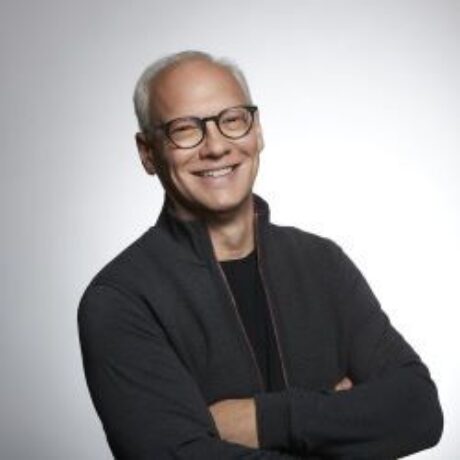
Chair - Dr Phil Vanek, Founder, Redline Bioadvisors and Chief Commercialisation Officer, International Society for Cell & Gene Therapy (ISCT)
An entrepreneurial and strategic international business leader, Phil serves as a strategic advisor to investors, life sciences startups, and advanced therapies organisations through his Redline Bioadvisors entity. Prior to founding Redline, Phil was CTO and Partner at Gamma Biosciences, a KKR life sciences tools platform, where he was responsible for technical diligence, as well as guiding operational, R&D and strategic initiatives carried out at portfolio companies. Phil received his Ph.D. in Biochemistry and Molecular Biology at Georgetown University Medical Center, with research focused in molecular oncology. Subsequently, Phil completed his postdoctoral training in Molecular Oncology under an IRTA fellowship at the National Cancer Institute in Maryland. Phil was an instructor at Johns Hopkins University’s Biotechnology Marketing in the Masters of Biotechnology / MBA programme, and has held strategy and innovation leadership positions in a number of life sciences companies including Life Technologies, Becton Dickinson, Lonza, and GE Healthcare. Phil serves on boards for a number of life sciences and cell and gene therapy companies. Additionally, Phil is a mentor for the Creative Destruction Lab (CDL) entrepreneurship program, serves as Entrepreneur in Residence at Georgetown University Medical Center, and currently is serving as Chief Commercialization Officer of the International Society for Cell and Gene Therapy (ISCT).
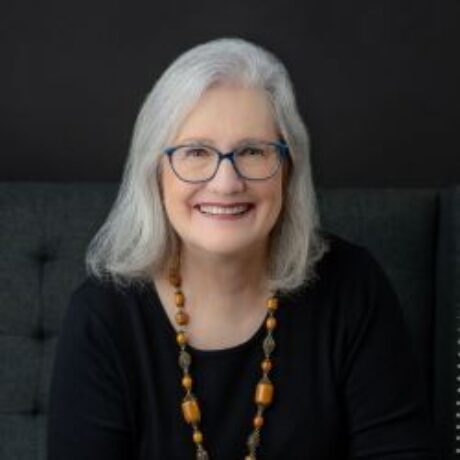
Deborah Hursh, Consultant and former FDA Senior Investigator
Deborah Hursh is an expert on Chemistry, Manufacturing and Control (CMC, or Product Quality) issues for cell and gene therapies. She served as a CMC reviewer and Principal Investigator of a research laboratory at the Center for Biologics Evaluation and Research (CBER) of the U.S. FDA for over 20 years. She has a Ph.D. in Molecular, Cellular and Developmental Biology from Indiana University, and did post-graduate work at Harvard and the National Cancer Institute prior to joining CBER in 2000. At FDA, Dr. Hursh evaluated products derived from stem cells and participated in policy development in the areas of stem cells, assisted reproduction and xenotransplantation. She chaired the organizing committee for a CBER advisory meeting on oocyte and embryo modification for the prevention of transmission of mitochondrial disease and was the CMC subject matter expert for the 2022 FDA advisory meeting on xenotransplantation. She was the review chair of the Humanitarian Device Exemption review committee resulting in the approval of the Miltenyi CliniMACS CD34 Reagent System, a Class III device used to select stem cells. Her research lab studied issues relevant to the safety and effectiveness of cell therapy products, including those derived from MSCs and PSCs.

John Lunger, life science executive and strategic advisor
John Lunger served as Adaptimmune’s (NASDAQ: ADAP) Chief Patient Supply Officer and a member of the Executive Team from August 2019 until September of 2025. In this role he was responsible for all aspects of process and analytical development, manufacturing, and supply of Adaptimmune’s clinical and commercial cell therapy products along with overall strategy for the company. John joined Adaptimmune in early 2017 as Vice President, Manufacturing and Supply Chain, quickly establishing the complex capabilities required to deliver autologous cell therapies to patients across the US and Europe. He has been a frequent industry speaker and author of articles on cell and gene therapy manufacturing and supply challenges and solutions. John is a member of the NKarta (NASDAQ:NKTX) Technical Advisory Board, Cell and Gene Therapy (Stevenage, UK) Technology Advisory Board, and served on the board of Genocea, an early-stage, public cell therapy company (NASDAQ: GNCA), from March 2022 until the wind down of the company in June 2022.
As a strategic thinker with an operational focus, John had an active leadership role in the establishment of Adaptimmune as a commercial biotech company. During his tenure, John and the rest of the executive team reorganized and refocused the organization, completed a significant business development partnership and raised over $300 Million in the public markets. Additionally, Adaptimmune closed research partnerships, acquired and integrated a cell therapy biotech, executed two restructurings, and continued to advance the pipeline leading to the FDA approval of TECELRA, the world’s first engineered T-cell therapy for solid tumors. In his functional role, he led the startup of three cell and gene manufacturing facilities (two in the UK, one in Philadelphia), more than tripled the size of the organization, and drove operational efficiency and effectiveness using focused operational leadership. John, along with the rest of the Adaptimmune Executive Team, left the organization following the sale of the products to a private biotech in 2025.
John has a broad and unique career, spanning a wide range of functions, geographies, and roles, with a primary focus on life sciences. Adaptimmune was his second venture-backed biotech, having spent the previous several years commuting from Philadelphia to Cambridge, MA where he grew the manufacturing and supply chain for a biotech that launched its first commercial product for pancreatic cancer. This followed three years in a senior position at a private equity-owned life sciences material distribution company. It was here he gained corporate development experience as a member of a small team that identified and acquired privately-owned life science manufacturing businesses. He had P&L responsibility as the leader of one of the acquired companies and established custom manufacturing as a new line of business.
John’s life science career began in a variety of operational and strategic roles with Wyeth Pharmaceuticals (ultimately acquired by Pfizer). After joining the company in a functional role in strategic sourcing, his leadership skills and long-term potential were quickly recognized and he was asked to spend three years on an international assignment in Dublin, Ireland, leading operations in a pharmaceutical manufacturing plant. While overseas John gained deep operational expertise as well as the broad cultural experiences that come from an ex-pat assignment, particularly while raising a young family.
John’s leadership skills and philosophies are built upon experience gained as a Naval Officer following his graduation from the United States Naval Academy in the top 10% of his class. He trained as a nuclear submarine officer, completing strategic patrols on a ballistic missile submarine during the end of the Cold War. Following his naval service, he earned an MBA from the University of Chicago Booth School of Business and then spent time in strategic consulting. John and his wife Carol live in the Philadelphia suburbs and have two adult children.
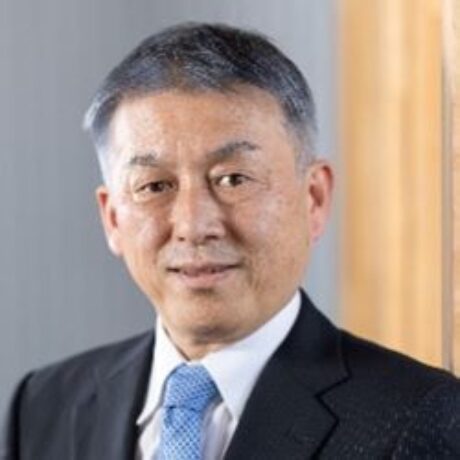
Masahiro Kino-oka, Ph.D. Professor in Department of Biotechnology, The University of Osaka
Masa (Masahiro KINO-OKA) is one of the leaders in the field of manufacturing for cell and tissue products; individuals who seem able to contribute to the standardization of the cell processing facility and bioreactor. His current research interests are “Bioprocess systems engineering” to establish the cell and tissue manufacturing system including the fields of “AI system” for “Bioreaction Engineering”, “Bioprocess design”, and “Stem Cell Engineering”, advocating “cell manufacturability” which leads to stable and cost-saving system for manufacturing of stem cells.
Toward, the current professional status, Masahiro KINO-OKA earned his B.S. in Department of Chemical Engineering at The University of Osaka in 1989, and M.S. in 1991. He became the research assistant, Department of Chemical Engineering, The University of Osaka (1991-2000), having the project of bioreactor and process design for plant tissue culture. After getting the Ph.D. in 1996, he spent one year as a visiting staff in the Department of Chemical Engineering, National Institute of Switzerland (ETH) in Zurich and started the new project for bioreactor design for human cells toward clinical application.
After returning Japan (1997), he promoted twice in his five-year tenure (Assistant Professor, Department of Chemical Engineering, The University of Osaka (2000), Associate Professor, Department of Chemical Engineering, The University of Osaka (2003), and finally he earned a current position of Professor in 2009 in Biotechnology, The University of Osaka.
Prior to Department of Biotechnology, Masa had many experiences for bioreactor and process designs for plant, animal, and human cell cultures. Currently, he started new projects for manufacturing including facility design of cell and tissue processing (Development of cell manufacturing and processing system for industrialization of regenerative medicine (2014.4-2019.3), Development of scale-up cell manufacturing system to meet the industrialization for regenerative medicine(2019.10-2021.3), and Establishment of QbD-based control strategy and advanced core ecosystem in cell manufacturing (2020.11-2025.3) by Japan Agency for Medical Research and Development (AMED)) for development of guidance for cell and tissue processing (good cell and tissue practice, GCTP).
To develop the facility, he has joined to ISO to be international member in ISO TC198 / WG9 for aseptic processing as well as ISO TC276 / WG4 for bioprocessing. In addition, he becomes board of directors of the Japanese Society for Regenerative Medicine (JSRM) and Health Science Council member in Minister of Health Labor and Welfare (MHLW), collaborating with regulatory site of Japanese FDA (PMDA) to establish guideline for aseptic cell processing.
Masa also has established “Research Base for Cell Manufacturability” in The University of Osaka since 2021 to develop practical system for cell manufacturing, guidance for regulation and standard as well as human resources for process design. Several companies gather to open their laboratories inside The University of Osaka, making up the core of the consortium management.
James McCafferty, Former Chief Information Officer, Wellcome Sanger Institute
James is formerly Chief Information Officer at the Wellcome Sanger Institute, where he led IT strategy, delivery and operations in support of the Institute’s scientific goals. His interests include research IT, research data, research software and informatics, AI4Science and information governance. Before joining the Sanger Institute, he was Chief Information Officer and Director of Research IT at University College London. Earlier in his career, he held a range of IT and programme management roles at British Telecommunications plc. James holds a PhD in computer vision and artificial intelligence. His current interests include the digital transformation of science, bioengineering and quantum computing - helping scientists plan and deliver bold, ambitious research. He is a Fellow and former trustee of the British Computer Society, and serves as vice-chair of the John Innes Centre governing council, as well as the Science and Technology Advisory Committee at the National Physical laboratory.
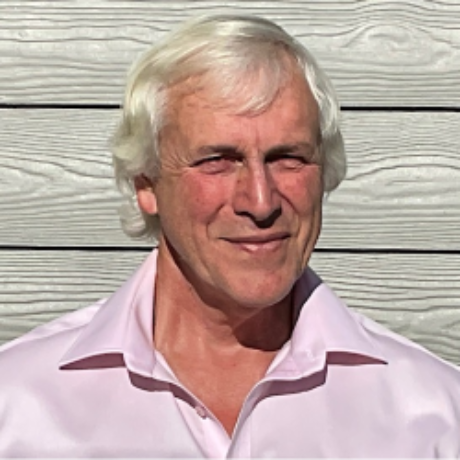
Ian Rees, Assessor, Medicines and Healthcare Products Regulatory Agency (MHRA)
Ian joined the MHRA as a GMP inspector in 2001, before this he was an inspector with the Veterinary Medicines Directorate and before that he helped create a startup biopharmaceutical firm during which time it was authorised by US FDA and MHRA’s predecessor, the MCA. In 2004, Ian became a manager responsible for the London based team of GMP inspectors, he was promoted to Expert GMP Inspector in 2006 and Unit Manager Inspectorate Strategy and Innovation in 2014 managing a team of Expert GXP Inspectors. Between 2008 and 2015, Ian was MHRA’s representative on the EMA’s GMDP Inspectors Working Group and also chaired the EMA/HMA Joint Audit Programme. Ian was also one of the MHRA’s representative at EU Blood Authority Meetings.
Ian was part of the team that created MHRA’s Innovation Office in 2013 to provide regulatory advice to organisations developing innovative processes or novel manufacturing processes. In 2014 Ian was part of the team that created the UK cross regulatory ‘One Stop Shop’ to provide regulatory advice on ATMPs. Based on enquiries received by MHRA, Ian led MHRA’s work in developing the new regulatory framework for decentralised manufacture. Although he retired from MHRA in March 2023 he has since rejoined MHRA on a part-time-basis to help complete the development of this new regulatory framework. On January 23rd 2025 the legislation (SI 2025 87) was signed into UK law and guidance documents were published on 10 June ahead of the legislation coming into 23rd July 2025.

Professor Susan Rosser, Director of the UK Centre for Mammalian Synthetic Biology and Co-director of the Edinburgh Genome Foundry, University of Edinburgh
Susan is Professor of Synthetic Biology and Royal Academy of Engineering (RAEng) Chair in Emerging Technologies at the University of Edinburgh. She is Director of the Engineering Biology Mission Hub for Advanced Therapeutics. Prof Rosser is Co-director of the Edinburgh Genome Foundry for synthetic DNA assembly and cell phenotyping. Her research focuses on using engineering biology approaches for developing and controlling genetic circuits for applications in cell and gene therapies as well as metabolic engineering. Prof Rosser is a member of the UK Engineering Biology Advisory Panel. Her research has given rise to two early-stage start-ups using a combination of AI and engineering biology for new gene therapy tools and enzyme replacement therapies for rare diseases.
Dr Jim Faulkner, Chair, CGT Catapult
Jim Faulkner is an experienced, innovative biopharmaceutical development leader with specialist skills in cell and gene therapy. He has had significant involvement in over 25 therapeutics that have successfully been taken into the clinic, including multiple gene therapy and CAR-T assets.
Jim currently operates an independent consultancy advising clients on diverse aspects of advanced therapy development, and has previously held positions at Apple Tree Partners, Ascidian Therapeutics, Autolus Ltd and GlaxoSmithKline.
Dr Nicole Mather, Non-Executive Director, CGT Catapult
Dr Nicole Mather has over 20 years’ experience in the health and life sciences industries and has worked across the commercial, public, and third sectors with a focus on cross-sector collaboration. Nicole currently leads IBM’s Life Sciences teams across UKI & EMEA deploying technical expertise to deliver digital transformation across the sector.
Nicole is Chair of the Wellcome Genome Campus Science & Technology Advisory Group and a Non-Executive Director of the Wellcome Sanger Genome Research Ltd. Nicole has also held roles as the founding Director of the Office for Life Sciences, and with NHS DigiTrials and the Health Research Authority.
Dr Jacqueline Barry, Chief Clinical Officer, CGT Catapult
Jacqueline Barry is a senior business leader with over 20 years of experience in biologics and advanced therapies. She is passionate about supporting the translation of advanced therapies and possesses a blend of expertise across the areas of regulation, quality, Good Manufacturing Practice, science, strategy, commercial development and management.
Jacqueline holds an executive position at the CGT Catapult where she leads a team that is dedicated to developing regulatory and translational strategies for advanced therapy products, as well as working to ensure that the wider ecosystem supports the development and adoption of these therapies in the UK and beyond. She also leads a network of advanced therapy treatment centres in the UK that aim to accelerate patient access to these transformative therapies.
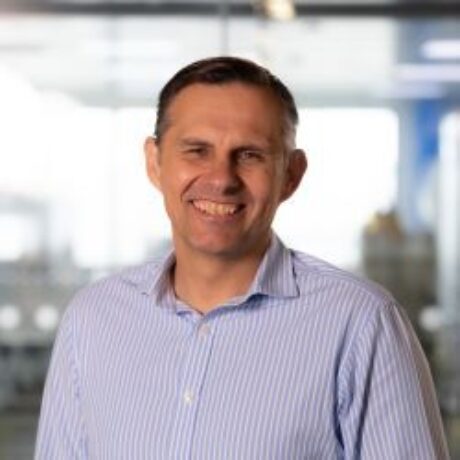
Dr Stephen Ward, Chief Technology Officer, CGT Catapult
Dr Stephen Ward has over two decades of cell and gene therapy expertise, with a career spanning biological medicine research, development and manufacturing. He has been with the Cell and Gene Therapy Catapult for over 10 years, playing a pivotal role building its pioneering process development and analytical capabilities; and leading major strategic manufacturing, supply chain, skills and industrial growth programmes. In 2024, he became Chief Technology Officer, shaping the organisation’s technology development strategy. Dr Ward is also Vice Chair of the Medicines Manufacturing Industry Partnership.